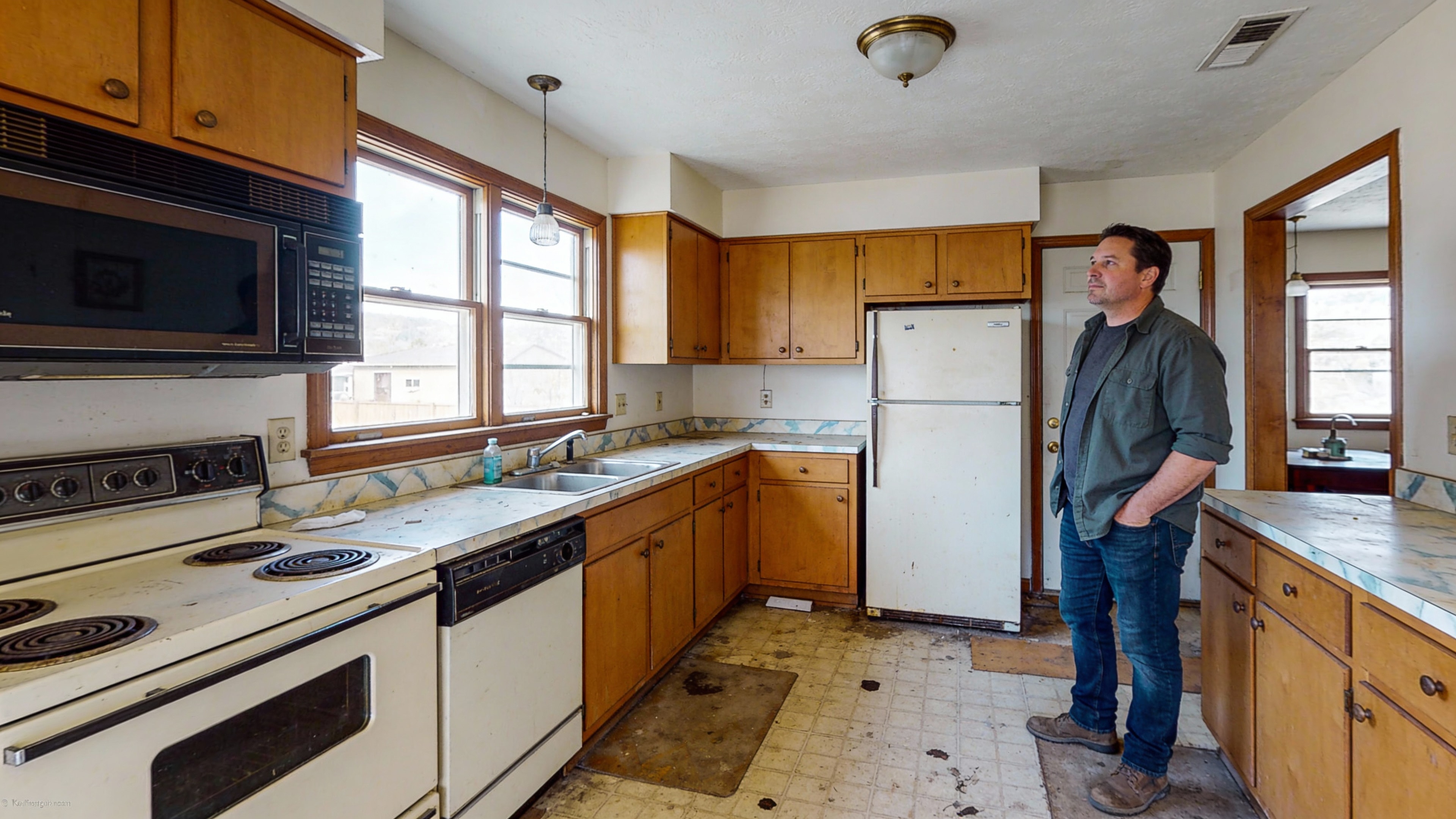
Key Takeaways:
- ✓ Major repairs (roof, foundation, HVAC, plumbing, electrical) rarely return 100% of their cost at sale
- ✓ Colorado's contractor shortage means 4-12 week wait times for major projects
- ✓ Cash buyers purchase homes as-is, eliminating repair costs and timeline uncertainty
- ✓ Selling as-is typically means accepting 10-25% below market value—but saves carrying costs and hassle
That stack of contractor quotes can feel overwhelming. A new roof here. Foundation cracks there. An HVAC system that's held on longer than it should have. The math gets complicated fast. Should you invest in repairs before selling, or would selling as-is make more sense for your situation?
Transparency note: We are real estate investors, NOT licensed real estate agents. We buy houses directly and can offer a no-obligation cash offer on homes in any condition.
Not sure what your house is worth as-is? Get a no-obligation cash offer and compare your options.
The "Big Five" Repairs That Scare Buyers Away
When it comes to selling a house that needs repairs in Colorado, not all issues are equal. Five major repair categories cause the most problems. These issues scare away traditional buyers, complicate financing, and trigger the biggest negotiations.
1. Foundation Problems
Foundation issues are the #1 deal-breaker for Colorado home sales. Our state's expansive soils—particularly bentonite clay common across the Front Range—create unique foundation challenges.
What it costs to repair:
- Minor crack repair: $5,000-$10,000
- Moderate stabilization with piers: $10,000-$25,000
- Major foundation work: $25,000-$50,000+
Impact on home value: 10-15% reduction if left unaddressed
Why it kills deals: Most lenders won't approve conventional financing on homes with significant foundation issues. FHA and VA loans are even stricter. For more details, read our guide on selling a house with foundation problems in Colorado.
2. Roof Damage or End-of-Life
Colorado's hail storms are brutal on roofs. We see this constantly—sellers who thought their roof was fine until an inspection revealed hail damage from storms years ago.
What it costs to repair/replace:
- Partial repair or patching: $3,000-$8,000
- Full replacement (asphalt shingles): $15,000-$25,000
- Full replacement (tile or metal): $25,000-$40,000+
Impact on home value: 5-10% reduction
Why it causes problems: Insurance companies increasingly refuse to cover older roofs or those with hail damage. Buyers face the same issue after purchase, making homes with roof problems less attractive and harder to insure.
3. Electrical System Issues
Older homes across Denver, Aurora, and Colorado Springs often have outdated electrical systems. Common problems include aluminum wiring (common in 1960s-1970s construction), outdated panels with insufficient capacity, and knob-and-tube wiring.
What it costs to repair:
- Panel upgrade: $2,000-$5,000
- Partial rewiring: $5,000-$12,000
- Full rewiring: $10,000-$25,000+
Impact on home value: 5-8% reduction
4. Plumbing Problems
The most problematic plumbing issues are polybutylene pipes (gray plastic pipes installed from 1978-1995 that are prone to failure), galvanized steel pipes that corrode internally, and sewer line damage from tree roots or aging clay pipes.
What it costs to repair:
- Spot repairs and re-piping sections: $3,000-$8,000
- Full re-pipe (water lines): $8,000-$15,000
- Sewer line replacement: $5,000-$15,000
- Complete plumbing overhaul: $15,000-$25,000+
Impact on home value: 5-8% reduction
5. HVAC System Failure
Furnaces and air conditioning units have a lifespan. In Colorado's climate with hot summers and cold winters, HVAC systems work hard. Systems older than 15-20 years often need replacement.
What it costs to repair/replace:
- Furnace replacement: $4,000-$8,000
- Central AC replacement: $4,000-$8,000
- Full HVAC system: $8,000-$18,000
- High-efficiency or heat pump: $12,000-$25,000
Impact on home value: 3-5% reduction
Repair vs. Sell As-Is: The Decision Framework
The question isn't whether major repairs affect your sale price—they do. The question is whether investing in repairs returns enough value to justify the cost, time, and hassle.
When Repairs Make Financial Sense
Consider making repairs before selling if:
- Repair cost is less than 50% of value impact. If a $15,000 roof replacement prevents a $40,000 price reduction, the math works.
- You have 3-6 months before you need to sell. Repairs take time.
- The repairs are primarily cosmetic. Kitchen updates and bathroom refreshes return 70%+ of their cost.
- You're in a strong seller's market. When buyers are competing, they're more willing to overlook issues.
- Your property is otherwise in excellent condition. One major repair on a well-maintained home is manageable.
When Selling As-Is Is the Better Choice
Selling as-is often makes more sense when:
- Multiple major systems need work. When the roof, HVAC, and plumbing all need attention, repair costs compound quickly.
- You face timeline pressure. Job relocation, inheritance situations, or life changes don't always allow months for repairs.
- Repair estimates are uncertain. Hidden damage can balloon costs mid-project.
- Contractors aren't available. Colorado's labor shortage means long wait times.
- You don't want to manage a renovation project. Some sellers simply don't have the time, energy, or ability to oversee repairs.
For a broader overview of selling in as-is condition, see our guide to selling a house as-is in Colorado.
Skip the Repairs—Get a Cash Offer Today
We buy houses in any condition. No repairs needed. No contractor hassle. Close in as little as 7-14 days.
Get My Cash Offer →Repair Cost vs. Sale Price: The Real Math
Let's look at what major repairs actually return when you sell. This data draws from industry sources including Cost vs. Value Report and NAR Remodeling Impact Report. Note: ROI percentages vary significantly by region, property type, and market conditions—these are general estimates, not guarantees.
| Repair Type | Avg Cost | Value Recovered | ROI |
|---|---|---|---|
| New Roof | $25,000 | $17,400 (57%) | Partial |
| Foundation Repair | $15,000 | $7,500 (50%) | Low |
| HVAC Replacement | $12,000 | $6,000 (50%) | Low |
| Electrical Update | $15,000 | $3,000 (20%) | Very Low |
| Plumbing Update | $12,000 | $2,400 (20%) | Very Low |
| Kitchen Remodel | $35,000 | $24,500 (70%) | Moderate |
| Bathroom Remodel | $15,000 | $10,500 (70%) | Moderate |
The pattern is clear: System repairs have the lowest ROI. Cosmetic upgrades return more. Buyers expect systems to work—a working furnace doesn't excite anyone.
The Hidden Costs of DIY-Then-Sell
When calculating whether repairs make sense, don't forget carrying costs. During a 3-6 month repair and sale timeline, you're paying:
- Mortgage payments
- Property taxes
- Homeowners insurance
- Utilities
- Maintenance
For an average Colorado home, these costs run $2,000-$4,000 per month. A six-month repair project adds $12,000-$24,000 in carrying costs alone.
Colorado Contractor Shortage: A Real Challenge
Here's a factor many sellers underestimate: finding contractors to do the work.
The construction industry faces severe labor shortages nationwide. According to the Bureau of Labor Statistics, there were approximately 450,000 unfilled construction jobs as of late 2023. Colorado's Front Range—one of the fastest-growing regions in the country—feels this acutely.
Impact on Repair Projects
Getting estimates takes time:
- Schedule multiple contractors for quotes: 1-2 weeks each
- Realistic timeline for 3 estimates: 3-4 weeks minimum
Project scheduling adds delay:
- Good contractors are booked 4-12 weeks out
- Specialty work (foundation, roofing) may have longer waits
- Material delays add more time
Here's the reality: A repair-then-sell timeline of 3-6 months is realistic for major work. Add the traditional sale process and you might be looking at 6-10 months total.
What Cash Buyers Pay for Repair Properties
Let's be straightforward about how cash buyers determine their offers. Understanding the math helps you evaluate whether a cash offer makes sense for your situation.
The 70% Rule Explained
Most investors use some version of the 70% rule:
Offer = 70% of After-Repair Value (ARV) - Repair Costs
Example:
- Your home's ARV: $400,000
- Estimated repair costs: $50,000
- Calculation: $400,000 × 70% = $280,000 - $50,000 = $230,000 offer
Expected Discounts by Condition
| Property Condition | Expected Discount | Typical Offer Range |
|---|---|---|
| Minor repairs needed | 5-15% below market | Close to retail |
| Moderate repairs (one major system) | 15-25% below market | Good as-is value |
| Major repairs (multiple systems) | 25-35% below market | Reflects renovation scope |
The Trade-Off Calculation
Yes, cash offers are lower. But here's what you gain:
- No repair costs out of pocket – We handle everything
- No carrying costs during repairs – Save $2,000-$4,000/month
- No project management stress – No contractor coordination
- No uncertainty – Cash offers don't fall through for financing
- Speed – Close in as little as 7-14 days vs. months
Selling to Traditional Buyers vs. Cash Buyers
| Factor | Traditional (with repairs) | Cash Buyer (as-is) |
|---|---|---|
| Sale Price | Higher (after repairs) | Lower (reflects condition) |
| Timeline | 3-6+ months | 7-14 days |
| Repair Responsibility | Seller | Buyer handles |
| Financing Risk | May fall through | No financing needed |
| Inspection Negotiation | Expect requests | Typically waived |
| Out-of-Pocket Costs | Repairs + carrying | None |
Want to compare timelines? Learn how long it takes to close on a house in Colorado for both traditional and cash sales.
Frequently Asked Questions
Should I get repair estimates before selling as-is?
Getting estimates can help, but isn't required. Estimates help you understand the scope of repairs and evaluate cash offers against what you'd spend. However, if you're selling to a cash buyer, they'll do their own assessment.
Can I sell a house with a bad foundation in Colorado?
Yes, you can sell a house with foundation problems in Colorado. You must disclose known issues, and traditional buyers may struggle with financing. Cash buyers and investors regularly purchase homes with foundation issues—it's part of what we do.
What happens if a buyer's inspection finds more problems?
Buyers can request repairs, credits, or price reductions—or they can walk away (within their inspection contingency period). If you're selling as-is to a cash buyer, inspections typically don't change the offer since the buyer expects to handle repairs.
Do cash buyers do inspections?
Most do, but for different reasons. We inspect properties to verify condition and plan renovations—not to renegotiate the price. Our offer accounts for expected repairs upfront.
How do I find legitimate cash home buyers?
Look for cash buyers who have a physical business presence in Colorado, provide written offers without pressure, don't charge upfront fees, explain their process clearly, let you choose your closing date, and have verifiable reviews or references.
Is it worth replacing the roof just to sell?
It depends on the numbers. A $25,000 roof replacement typically returns about $17,400 (57%). Factor in contractor wait times (4-12 weeks), project duration, carrying costs, and risk of other issues surfacing. If time is a factor or multiple repairs stack up, selling as-is often makes more sense.
Next Steps: Your Path Forward
Selling a house that needs major repairs in Colorado comes down to three choices:
- Make repairs: Invest time and money for potentially higher sale price
- List as-is with a discount: Find a traditional buyer willing to take on repairs
- Sell directly to a cash buyer: Skip repairs entirely, close quickly, move on
There's no single right answer. The best choice depends on your timeline, financial situation, and tolerance for project management. Most sellers who contact us after going through multiple contractor estimates and repair negotiations wish they'd explored the cash option sooner.
About the Author: Eric Osakue is the Managing Member of Terra Capital LLC, a Colorado-based real estate investment company. With experience helping homeowners navigate sales of properties in any condition, Eric focuses on providing transparent, straightforward solutions for sellers facing repair challenges across the Denver Metro area. Terra Capital buys homes directly, handling all repairs and renovations after purchase.
Disclaimer: This information is for educational purposes only and does not constitute legal, tax, or financial advice. Repair costs and returns vary significantly based on property condition, contractor, scope of work, and market conditions. Consult qualified professionals for advice specific to your situation. Terra Capital, LLC is a real estate investment company, NOT licensed real estate agents or brokers.
Ready to Skip the Repairs?
We buy houses in any condition throughout the Denver Metro and Front Range. Get a fair cash offer and close on your timeline.