Key Takeaways:
- ✓ Colorado has no state inheritance tax, but federal capital gains may apply
- ✓ The "stepped-up basis" rule can eliminate most or all capital gains tax
- ✓ You can sell an inherited property as-is without making repairs
- ✓ Cash buyers can close in 7-14 days, even during probate
If you've recently inherited a home in Colorado, you're likely feeling overwhelmed. We've helped hundreds of families in Denver, Aurora, and across the Front Range navigate this exact situation. You have options—and this guide will walk you through every one of them.
If you'd rather skip the research and get a no-obligation cash offer, contact our team today. We buy inherited properties as-is and handle all the paperwork.
What Happens When You Inherit a House in Colorado?
When you inherit a house in Colorado, ownership transfers through probate, a Transfer on Death (TOD) deed, or a trust. The transfer method determines how quickly you can sell. Most estates require probate, which takes 6-24 months in Colorado.
Understanding the transfer process is your first step. Let's break down what actually happens.
Understanding the Colorado Probate Process
Probate is the legal process of settling a deceased person's estate. In Colorado, probate is governed by CRS Title 15 (Colorado Probate Code). Here's what you need to know:
The Personal Representative: The court appoints a Personal Representative (sometimes called an executor) to manage the estate. This person has the legal authority to sell property, pay debts, and distribute assets to heirs.
Timeline: Colorado probate typically takes 6-24 months. Simple estates with clear beneficiaries move faster. Contested estates or properties with title issues take longer.
Your Responsibilities: Once you own the property—even during probate—you're on the hook for:
- Property taxes
- Homeowners insurance (or vacant home insurance)
- Utilities
- Basic maintenance
- HOA dues (if applicable)
We often see families surprised by these costs. A vacant property in Denver can cost $500-$1,500 per month to maintain before you even think about repairs.
Exceptions to Probate: Faster Transfer Methods
Not all inherited properties go through probate. Colorado offers several ways to transfer property that skip the court process entirely:
Living Trusts: If the deceased placed the home in a trust, the successor trustee can transfer ownership immediately. No court involvement required.
Joint Tenancy with Right of Survivorship: If the property title included a surviving owner as joint tenant, it passes automatically. A simple affidavit and death certificate transfers full ownership.
Transfer on Death (TOD) Deeds: Colorado allows property owners to file a beneficiary deed under CRS § 15-15-401. This works like a "payable on death" bank account. The named beneficiary receives the property automatically upon death, no probate needed.
The Financial Side: Taxes and Costs You'll Face
Colorado does not have a state inheritance tax. However, you may owe federal capital gains tax if the property sells for more than its fair market value at the time of death. Most heirs pay little or no capital gains thanks to the "stepped-up basis" rule.
Does Colorado Have an Inheritance Tax?
No. Colorado eliminated its inheritance tax years ago. You won't pay a state tax simply for inheriting property.
The federal estate tax only kicks in for estates over $13.99 million (2025) or $15 million (2026, per the IRS announcement). Unless you're inheriting from a multi-millionaire, federal estate tax isn't your concern either.
Capital Gains Tax and the Stepped-Up Basis
Here's where most heirs get confused—and where the good news lives.
When you inherit property, the IRS gives you a "stepped-up basis." This means your cost basis isn't what your parents paid for the house. It's the fair market value on the date they died.
Example:
- • Your parents bought the house in 1985 for $100,000
- • The house was worth $500,000 when they passed
- • Your stepped-up basis is $500,000
- • If you sell for $500,000, you owe zero capital gains
This is a massive benefit. If you had received the house as a gift while they were alive, you'd inherit their $100,000 basis—and owe tax on $400,000 of gains.
Pro tip: Sell sooner rather than later. The longer you hold the property, the more it may appreciate beyond your stepped-up basis. That appreciation is taxable.
Holding Costs: The Hidden Drain on Your Inheritance
Every month you don't sell, the property costs you money. In our experience helping Colorado families, these costs add up faster than expected:
| Expense | Typical Monthly Cost |
|---|---|
| Property taxes | $200-$500 |
| Insurance (vacant home) | $150-$300 |
| Utilities | $100-$200 |
| Lawn care/snow removal | $100-$200 |
| Basic maintenance | $100-$300 |
| Total | $650-$1,500 |
Vacant homes also face increased risks: vandalism, frozen pipes, squatters, and insurance claim denials. If you're out-of-state or simply can't manage an empty property, speed matters.
Thinking About Selling Your Inherited Property?
Get a no-obligation cash offer in 24 hours. No repairs, no fees, close on your timeline.
Get My Cash Offer →3 Options for Selling Your Inherited Colorado Home
You have three main options for selling an inherited house: list with an agent, sell it yourself (FSBO), or sell to a cash buyer. The best choice depends on the property's condition, your timeline, and how much effort you're willing to invest.
| Factor | Real Estate Agent | FSBO | Cash Buyer |
|---|---|---|---|
| Timeline | 60-120 days | 90+ days | 7-14 days |
| Repairs needed | Yes (usually) | Yes | No |
| Commissions/Fees | 5-6% | 0-3% | 0% |
| Showings required | Many | Many | One or none |
| Certainty | May fall through | May fall through | Guaranteed close |
Option 1: List with a Real Estate Agent
This option makes sense when the property is in good condition and you have time to wait. If Mom's house is updated and move-in ready, listing might net you more money.
But we've seen too many heirs spend $30,000 on repairs only to wait four months for a buyer whose loan falls through. The agent gets paid either way—you absorb the risk.
Option 2: For Sale By Owner (FSBO)
FSBO rarely makes sense for inherited properties. You're already dealing with grief, estate matters, and likely a property that needs work. Adding "become a real estate agent" to your to-do list usually backfires. NAR 2025 data shows FSBO homes sell for approximately 18% less than agent-listed homes.
Option 3: Sell to a Cash Buyer (Like Terra Capital)
This option is ideal when:
- The property needs significant repairs
- You're an out-of-state heir
- You need cash quickly for estate debts or expenses
- Multiple siblings want to split proceeds and move on
- You simply don't want the hassle
We're upfront about this: cash buyers offer below market value. That's how we make our margin. But when you factor in repair costs, holding costs, commissions, and time value of money—the net difference often shrinks considerably.
Colorado Disclosure Requirements for Inherited Homes
Even when selling inherited property "as-is" in Colorado, you must disclose known material defects. The Personal Representative's Deed offers some protection, but hiding known issues creates legal liability.
Here's the catch for heirs: You may not know this property's history. You didn't live there. You don't know if the basement flooded in 2019. That's okay. You can answer "Unknown" to questions where you genuinely don't have information. You can NOT claim "Unknown" for defects you're aware of.
Common Challenges Heirs Face (And How to Handle Them)
Multiple Heirs with Different Goals
When siblings inherit a property together, disagreements happen. One wants to sell fast, another thinks they should rent it out, and a third wants to move in.
Cash sales often resolve sibling disputes quickly. Everyone gets their share in two weeks, and the property stops being a source of conflict.
Properties in Poor Condition
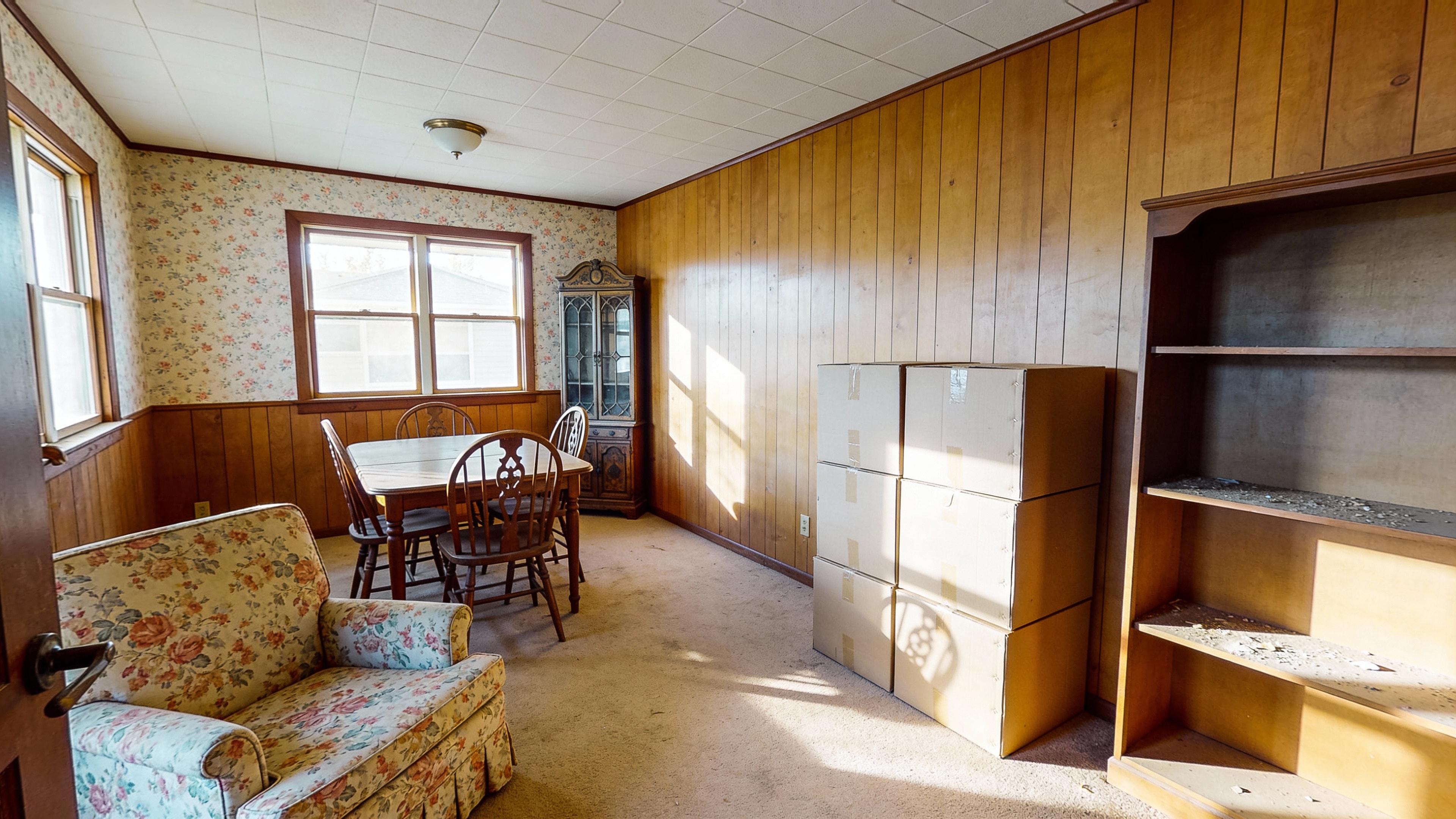
Many inherited homes haven't been updated in decades. We've seen houses in Denver with original 1960s kitchens, knob-and-tube wiring, asbestos tile, and foundation issues. Traditional buyers want move-in ready homes. Banks won't finance properties with major issues. This is exactly where cash buyers add value—we purchase properties in any condition.
Frequently Asked Questions
What is the 2-year rule for selling inherited property?
The "2-year rule" refers to the IRS Section 121 exclusion. If you move into an inherited home and live there as your primary residence for at least 2 of the 5 years before selling, you can exclude up to $250,000 of capital gains ($500,000 if married). This only matters if the property appreciates significantly beyond your stepped-up basis.
Can I sell an inherited house before probate is finished?
Yes, in most cases. The Personal Representative has authority to sell estate assets during probate—it's often necessary to pay debts or distribute assets. However, you'll need court approval in some situations. A probate attorney can confirm what's required for your situation.
Do I have to pay taxes on the sale of my deceased parent's home?
Colorado does not have a state inheritance tax. You may owe federal capital gains tax if the property sells for more than its fair market value at the time of death (your stepped-up basis). For most heirs selling within a year, capital gains are minimal or zero.
Can I sell an inherited house that has a mortgage?
Yes. The proceeds from the sale first pay off the existing mortgage, then remaining funds distribute to heirs. If the property is "underwater" (worth less than the mortgage), you'll need to negotiate with the lender for a short sale. Most inherited properties have significant equity.
Next Steps: Your Path Forward
Selling an inherited house in Colorado doesn't have to be overwhelming. Here's what we recommend:
- Determine how title transferred - Check if the property went through probate or bypassed it
- Calculate your stepped-up basis - Get an appraisal as of the date of death
- Add up holding costs - Know what this property costs you each month
- Compare your options - Get estimates from an agent AND a cash buyer
- Make a decision that fits your life - There's no wrong answer, only what's right for your situation
About the Author: Eric Osakue is the Managing Member of Terra Capital LLC, a Colorado-based real estate investment company. Based in Centennial, Eric has helped hundreds of families across the Denver Metro market navigate complex property sales including inherited homes, divorce situations, and distressed properties.
Disclaimer: This information is for educational purposes only and does not constitute legal, tax, or financial advice. Terra Capital, LLC is a real estate investment company, NOT licensed real estate agents or brokers. Consult a qualified probate attorney, CPA, or financial advisor for advice specific to your situation.
Ready to Sell Your Inherited Property?
Get a fair, no-obligation cash offer from Terra Capital today. We'll make you an offer within 24 hours, and you can close in as little as 7 days.